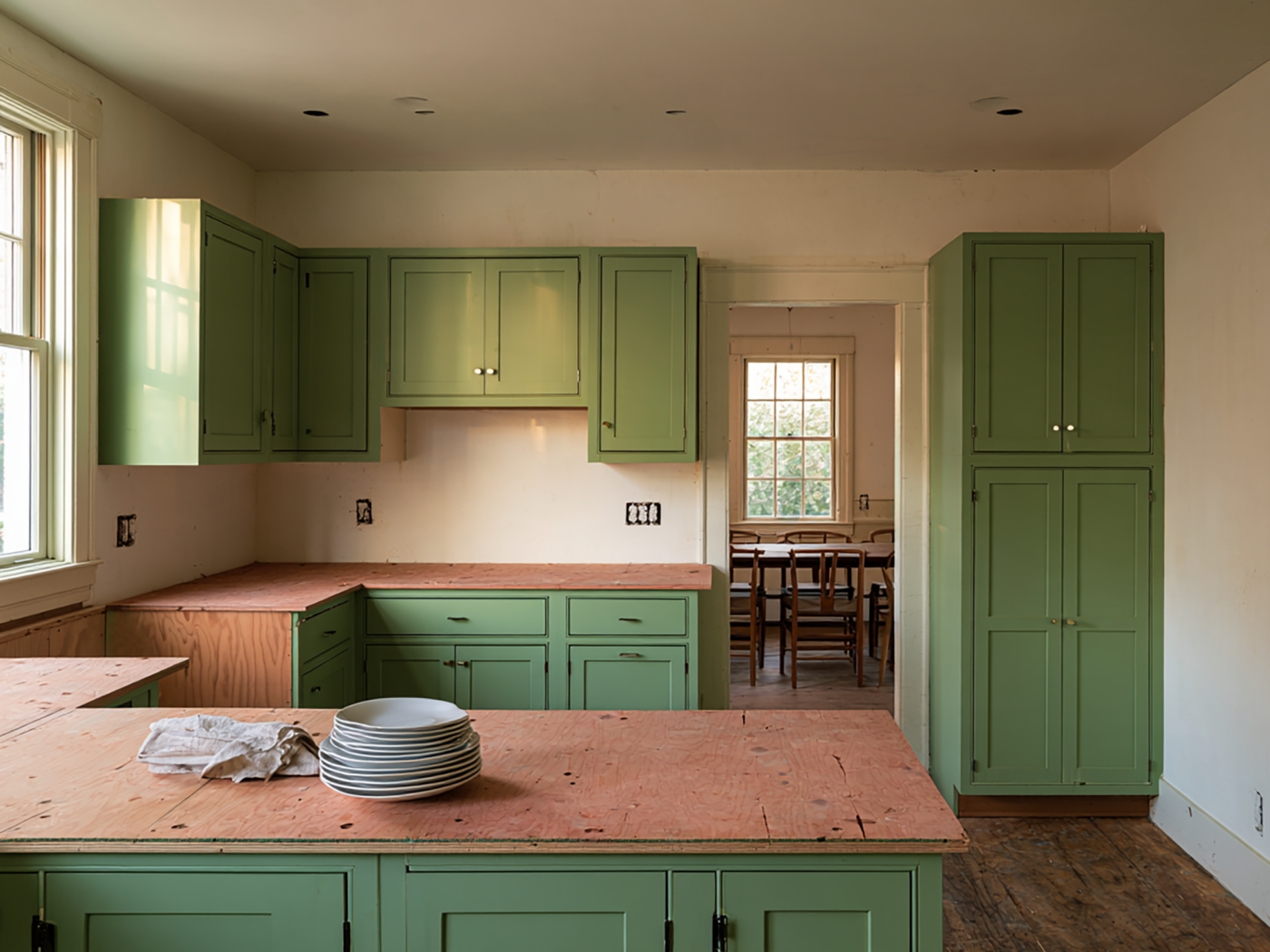
It usually comes up early. Sometimes it’s in the very first meeting, tucked casually between a question about window trim and a comment about the backyard: “We’re hosting Thanksgiving this year, so it would be great if the kitchen was done by then.”
I’ve heard some version of that sentence more times than I can count. And by mid-November, if a project is anywhere near the finish line, it stops being a passing comment and becomes the only thing anyone wants to talk about.
The holiday deadline is one of the most predictable pressure points in residential design. It shows up every year, right on schedule. And yet for a long time, I handled it the same way most of us do: on the fly, with a lot of hoping.
When a client asks for a finished room by the holidays, they’re not really asking for a finished room. They’re picturing a specific moment. Family gathered around the new island. The guest room ready for the in-laws. The first photo in front of the fireplace they’ve been dreaming about since the first sketch. The deadline isn’t in the contract, but it’s tied to people they love and want to host well, and that makes it feel much bigger than a date on a calendar.
At the same time, everything on our side gets tighter. Suppliers deal with their own year-end rush and lead times stretch. Subcontractors are juggling every other client who wants the exact same thing. Inspections back up. The weather turns and the days get shorter. And your own calendar fills with school concerts, travel, and family obligations of your own.
So you have rising expectations meeting shrinking capacity, and the design professional is standing right in the middle.
The easy move, especially when a client is excited and the relationship is good, is to say “We’ll do our best” and leave it there. It feels generous. It avoids an awkward conversation.
But “we’ll do our best” is almost always heard as “yes.” Then the countertops get delayed two weeks, and suddenly you’re the person who ruined Christmas. You spend December fielding anxious texts, pushing trades to rush work that shouldn’t be rushed, and returning calls from the parking lot of your kid’s holiday concert.
I’ve lived that version of December. It’s not one I’d recommend.
The best time to talk about a holiday deadline is the moment it’s mentioned, even if that’s in June. Not to shut it down, but to make it real.
Start by asking what “done” actually means to them. Very often, “the kitchen needs to be done” really means “we need to cook a turkey and seat twelve people.” Those are two very different targets, and the second one is usually far more achievable.
Then walk backward from the date together. When do cabinets need to be ordered? When do final selections have to be locked in? Where does the schedule have some breathing room, and where does it have none? When clients can see the chain of decisions that leads to their date, they start to understand that they’re part of making it happen. The tile decision they’ve been sitting on in September isn’t separate from the Thanksgiving goal. It is the Thanksgiving goal.
And put it in writing. A verbal “we’re aiming for Thanksgiving” will be remembered differently by every person who was in the room. A shared timeline with milestones and decision deadlines gives everyone the same reference point when things inevitably shift.
One of the most useful tools I’ve found is offering a holiday-ready version of the project. It might look like a fully functional kitchen with temporary cabinet hardware while the final pulls are on backorder. Or the main living spaces finished, with the mudroom wrapping up in January. Or punch list items intentionally scheduled for after the new year, so crews aren’t in the house the week guests arrive.
Clients are often relieved by this conversation. Most of them didn’t actually need perfection. They needed to host. When you give them a clear picture of exactly what the space will look like on the day, and exactly what happens after, nobody gets surprised and everyone gets to enjoy the holiday.
Sometimes the date simply isn’t possible. When that’s the case, say so clearly and as soon as you know.
Bring the reason and bring an alternative. “The cabinets won’t arrive until December 10th, which doesn’t leave enough time for the counters to be templated and installed before Christmas. Here’s what we can do instead.” That’s a very different conversation than a vague “we’re running behind.”
Clients can handle bad news. What they struggle with is bad news delivered late. Telling them in October gives them time to adjust their plans, maybe move the gathering or rent some tables. Telling them the week before gives them a crisis. And the trust you build by being honest early tends to outlast the disappointment.
This last one might be the one I care about most. Your clients aren’t the only ones with holiday plans.
Decide when your office will be closed or slowed down, and tell clients now, not on December 22nd. Let them know when you’ll be unreachable, who to contact if something is truly urgent, and where to put the non-urgent questions so they’re waiting for you when you get back. Most clients will respect a boundary that’s communicated clearly and in advance. It’s the surprise “out of office” that creates friction.
You spend all year helping other people create spaces where they can gather with the people they love. You deserve to actually be present for your own version of that.
Holiday deadlines aren’t going away. Every year there will be a client who wants to host in a home that’s still under construction, and every year the supply chain will be just a little slower than everyone hopes.
The good news is that predictable problems are the easiest kind to plan for. Ask the question early. Define what “done” really means. Put the timeline somewhere everyone can see it. Deliver hard news while there’s still time to adjust. And build in the time you need to rest, because January is coming, and it’s always busy.
Wishing you a calm, well-planned season, and a client who’s thrilled with their new kitchen, even if the hardware shows up in January.