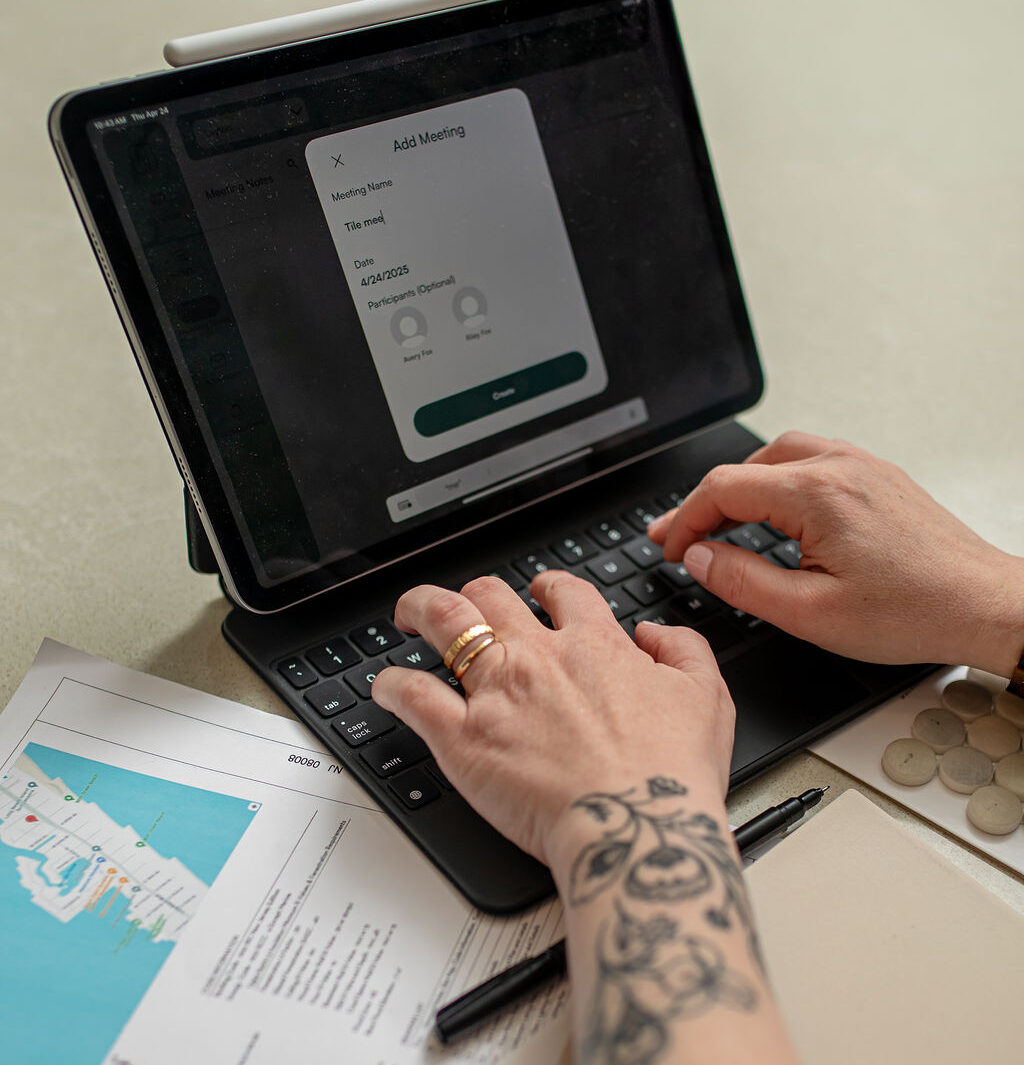
If you’re an architect or interior designer, chances are you didn’t get into this industry because you love tracking down email threads or updating spreadsheets. You got into it to design beautiful spaces. To solve problems creatively. To bring ideas to life.
And yet so much of your day can get swallowed by coordination. Client emails. Consultant questions. Material updates. Site photos. Budget tweaks. Timeline shifts. One small change can ripple through an entire project. That complexity isn’t a flaw in your process. It’s the nature of design work.
What is changing, though, is how firms are choosing to manage it.
Design Projects Are Inherently Complex
Design projects aren’t linear. They move through phases and each phase includes multiple stakeholders. Clients want visibility. Contractors need clarity. Vendors require timely approvals. Team members need context.
Traditionally, many firms have managed all of this through a mix of email, shared drives, spreadsheets, and a handful of different apps. And honestly? That approach works – until it doesn’t.
When information lives in five different places, it becomes harder to:
Find past decisions
Track who’s responsible for what
See the full picture
Prevent small miscommunications from turning into big issues
It’s not about doing anything “wrong.” It’s simply that the volume and pace of projects today demand more structure than informal systems can easily provide. That’s one reason adoption of dedicated project management platforms across architecture and design firms has been steadily increasing in recent years. More firms are recognizing that creative excellence needs operational support.
What Changes When Everything Lives in One Place
The biggest shift project management tools bring isn’t just organization — it’s clarity.
Instead of searching through inboxes for that countertop approval from three months ago, you can see decisions in context. Instead of wondering whether a task was assigned or just mentioned in passing, there’s ownership and visibility. When conversations, files, deadlines, inspiration boards, and feedback live together, you reduce friction.
That’s the philosophy behind platforms like CollabMind – bringing communication and project coordination into a single, intuitive space designed specifically for architects and interior designers.
When your tools mirror the way you actually work you spend less time managing logistics and more time designing.
Better Collaboration Without More Emails
Client collaboration has evolved. Clients want to be involved. They want transparency. They want to see progress and provide input along the way. That’s a positive shift. But without a structured system, collaboration can quickly turn into scattered feedback.
Project management tools allow you to invite clients into a centralized environment where:
Feedback is attached to specific items
Inspiration boards are interactive
Decisions are documented
Updates are visible in real time
This doesn’t just make projects smoother, it builds trust. Clients feel informed and confident. And when clients feel confident, projects move forward with less friction.
Efficiency Isn’t About Working Faster. It’s About Working Smarter
When people hear “efficiency,” it can sound transactional. But in design, efficiency is about protecting creative energy. Every hour spent reconstructing conversations or clarifying miscommunications is energy not spent on design thinking.
A well-implemented project management system can help teams:
Clarify roles and responsibilities
Keep timelines visible and realistic
Track revisions and approvals
Reduce duplicate communication
Capture notes and photos in real time
None of this replaces creativity. It supports it. Instead of holding every project detail in your head, you can rely on a structured system. That mental space matters – especially when you’re balancing multiple projects at once.
Supporting Growth Without the Chaos
Whether you’re a solo designer or part of a growing firm, systems become more important as you scale. When your project information is centralized, onboarding a new team member becomes easier. Bringing in consultants is smoother. Taking on an additional project doesn’t automatically mean late nights.
Tools like CollabMind are built to grow with firms – from single projects to complex, multi-phase portfolios – without adding unnecessary complexity.
The goal isn’t to create more process. It’s to make the right process visible and manageable.
The Bottom Line
Architects and interior designers are some of the most creative problem solvers out there. But even the best design vision can be slowed down by fragmented communication and scattered information.
Project management tools aren’t about control. They’re about clarity.
They give you a central source of truth.
They streamline collaboration.
They protect your time.
They support sustainable growth.
Most importantly, they create space for what matters most: thoughtful, inspired design. At CollabMind, we believe that when your workflow feels calm and orderly you do your best work.